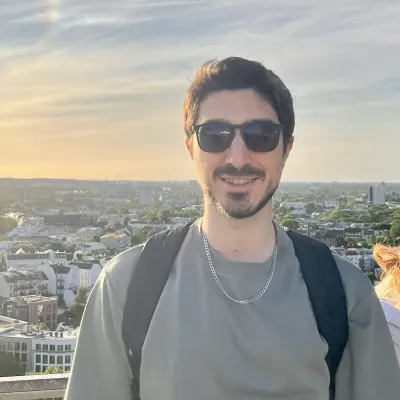
More German than many Germans
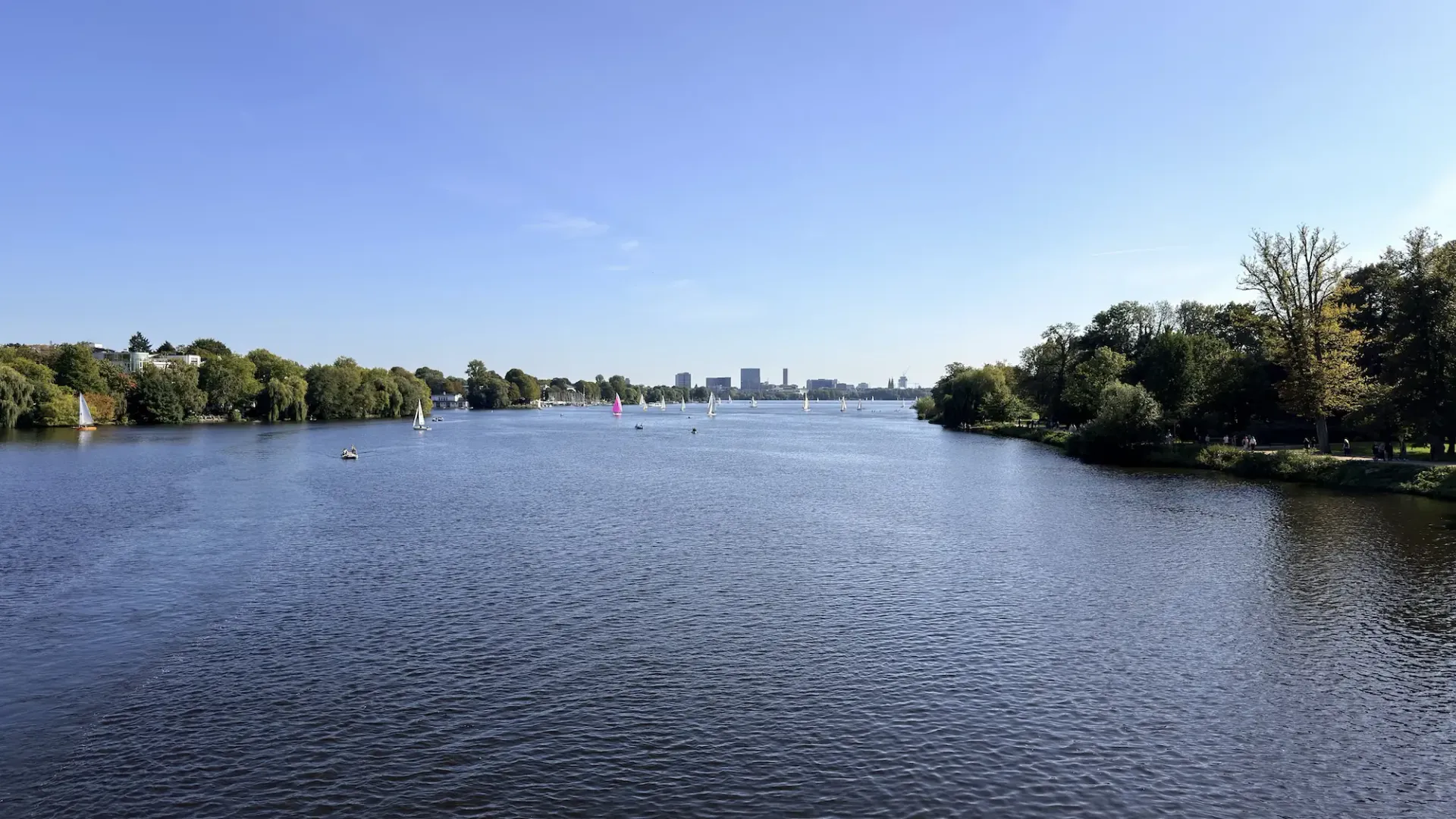
In 2017, after I finished the third year of my Computer Science studies, I decided to do an internship in Europe. So while I was applying for the Erasmus Scholarship, I also started looking for internships. In the end I got the scholarship, which helped a lot with the visa process, and I also found an internship at a company in Hamburg.
I had never been outside of Turkey before. So I had also never really talked to people from other countries. What I knew about Germans came mostly from the Turkish people who moved to Germany in the 60s for work. Those people came back to Turkey almost every summer and told us about their life there. Most of what they said was the same as what you can read on the internet, the stereotypical German.
People who don't laugh, who are cold and unfriendly, who always follow the rules, who speak a language that sounds too harsh, and so on. And of course, someone always brings up the Nazis.
Apart from the people I talked to in the interviews, my first real contact was my German flatmate. Before I arrived he showed me the room on Skype and we agreed on it. When I landed in Hamburg, he picked me up from the airport. That was a great start, and during my three months there we chatted in the kitchen almost every evening for half an hour.
I had a lot of questions for him and he always answered them properly. On the weekends he picked up his girlfriend and they either stayed home or went rowing. Their relationship looked very healthy to me. She was studying medicine, so sometimes she was working at her desk on a Saturday while my flatmate played Witcher 3 right next to her. I never heard them argue about anything.
Near the end of my internship he told me that he and his girlfriend were going to Africa, so I would be alone in the flat for a week. When I asked him what I should do with the keys, he just said to drop them in the mailbox. That much trust after such a short time really surprised me.
We had a last dinner together and I told him things were going well at the company and there was a chance I could come back to Hamburg.
I was lucky with my flatmate and I was also lucky at work. I had a great team. They taught me new things, gave me responsibilities the other summer interns didn't get, and included me in all the team events. The offsite we had outside the city is something I still remember today. And I was getting all of this while earning minimum wage.
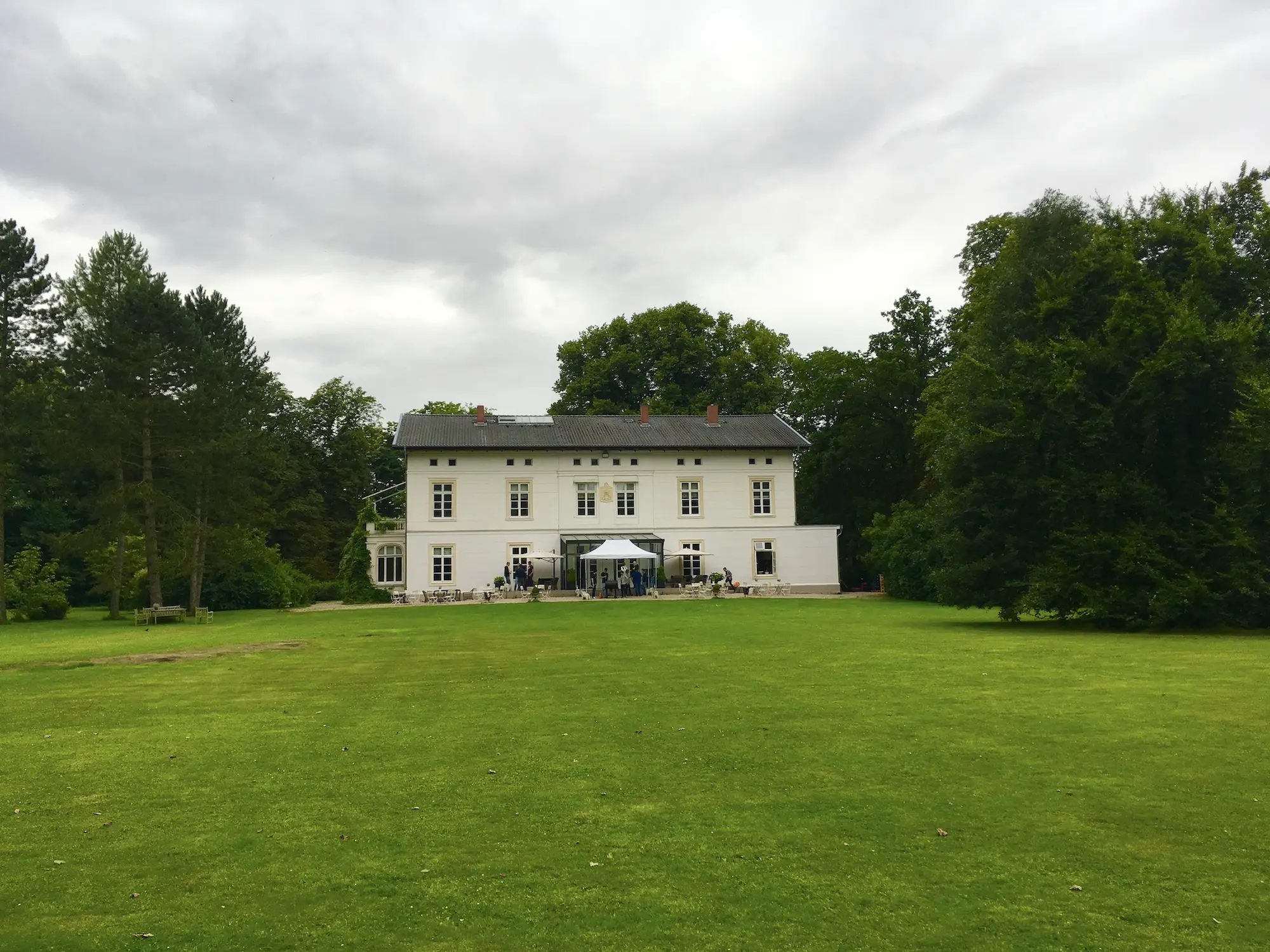
I was really surprised by how friendly everyone was. We weren't just working, we were having fun. Everything I had heard about Germans until that point was gone. It was the best summer of my life.
My lead was happy with my work and offered me a job right away. I could work as a freelancer from Turkey while finishing my studies, and if they were happy with my performance I would get a full-time contract. That is what happened.
Coming back
In April 2018 I got my contract, even before I finished my studies. The next month something nice happened. My German flatmate emailed me and asked when I was coming back, because he already had a room for me for the summer. The company was going to give me a place to stay, but I couldn't say no to him. Right after my last exam, before I even had my diploma, I moved to Hamburg at the end of June and started working full time with the same team, living with the same flatmate.
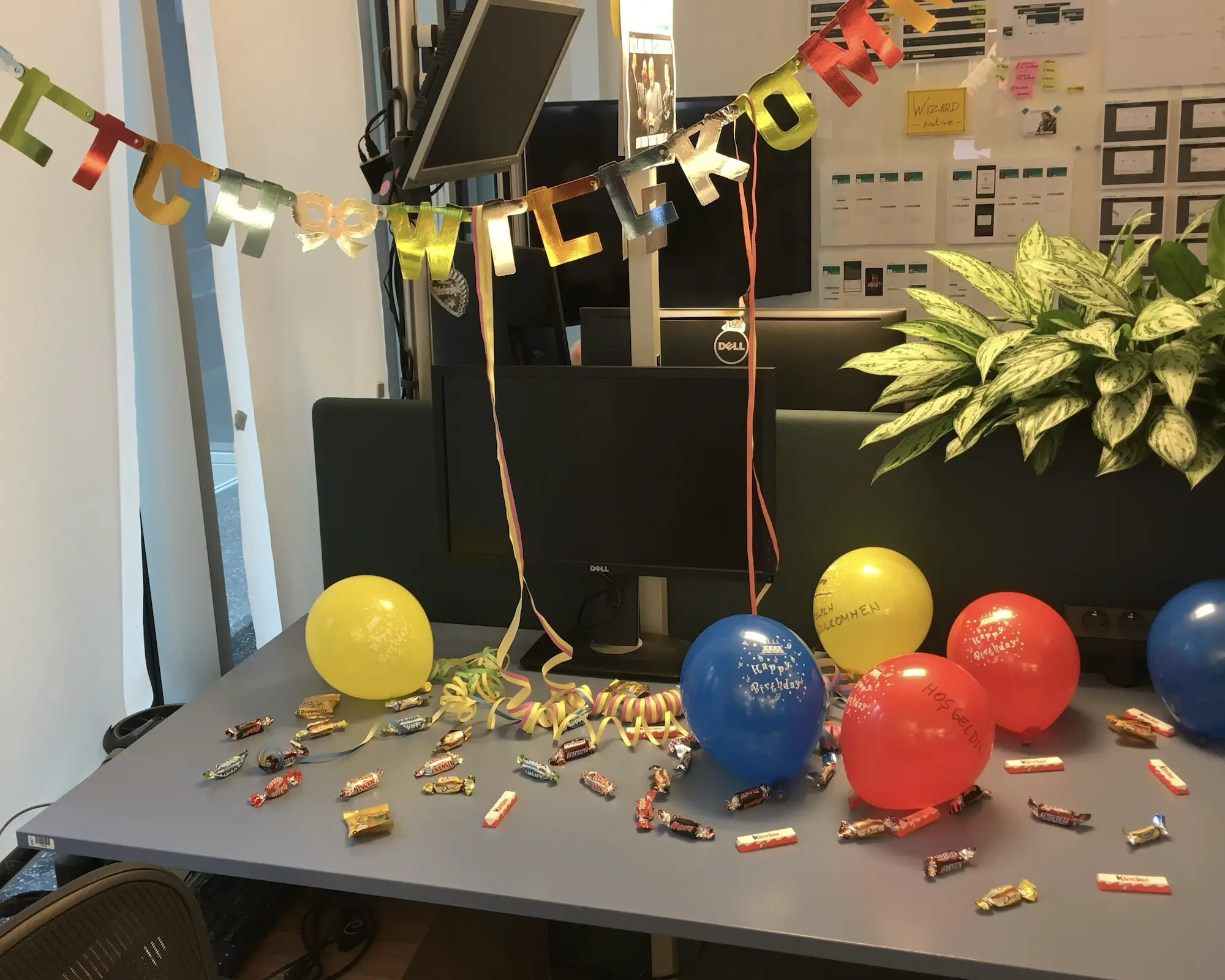
On my first day there were candies and balloons on my desk. Everybody was happy to see me again. One colleague who knew my interest in Apple gave me a German flag pin he got at WWDC18. He said he tried to swap it for a Turkish flag but couldn't manage it. I was already happy with the gift, because it meant he was thinking about me while he was in California.
When you start living in Germany you have to register your address. When I went to the public office, the clerk told me I had already lived in Hamburg before. I said I had done a summer internship a year earlier. He just said: Welcome back!
That was the moment I felt like I was coming home, not moving to a new country.
The first years
My first months were mostly about finding a flat and figuring out how things work here. Since my German wasn't good enough, my colleagues came with me to flat viewings after work. When I had a problem with my electricity provider, a colleague came along and did all the talking. When I moved to a different place a year later, a German colleague rented a van and helped me carry everything.
At the time, the company was one of the biggest internet companies here, with around 2.000 people. Sometimes I saw the C-level in the kitchen getting their own coffee or even washing their own glasses. They had assistants, but the assistants helped with work instead of acting like servants. We also had a CFO who rode a very old bike to the office.
Whenever we had a team event or an offsite, the organisers made sure they knew everyone's dietary needs. Vegan, vegetarian, halal, no alcohol, allergies. So everyone would have something to eat and drink.
When I was doing a good job, my lead kept telling me to take vacation instead of working more. When I was sick, he told me to stay home until I felt better. I didn't even need a doctor's note. It took me a while to notice this was not only a work thing. You get on a bus or a train here and nobody checks your ticket. I wasn't used to this level of trust.
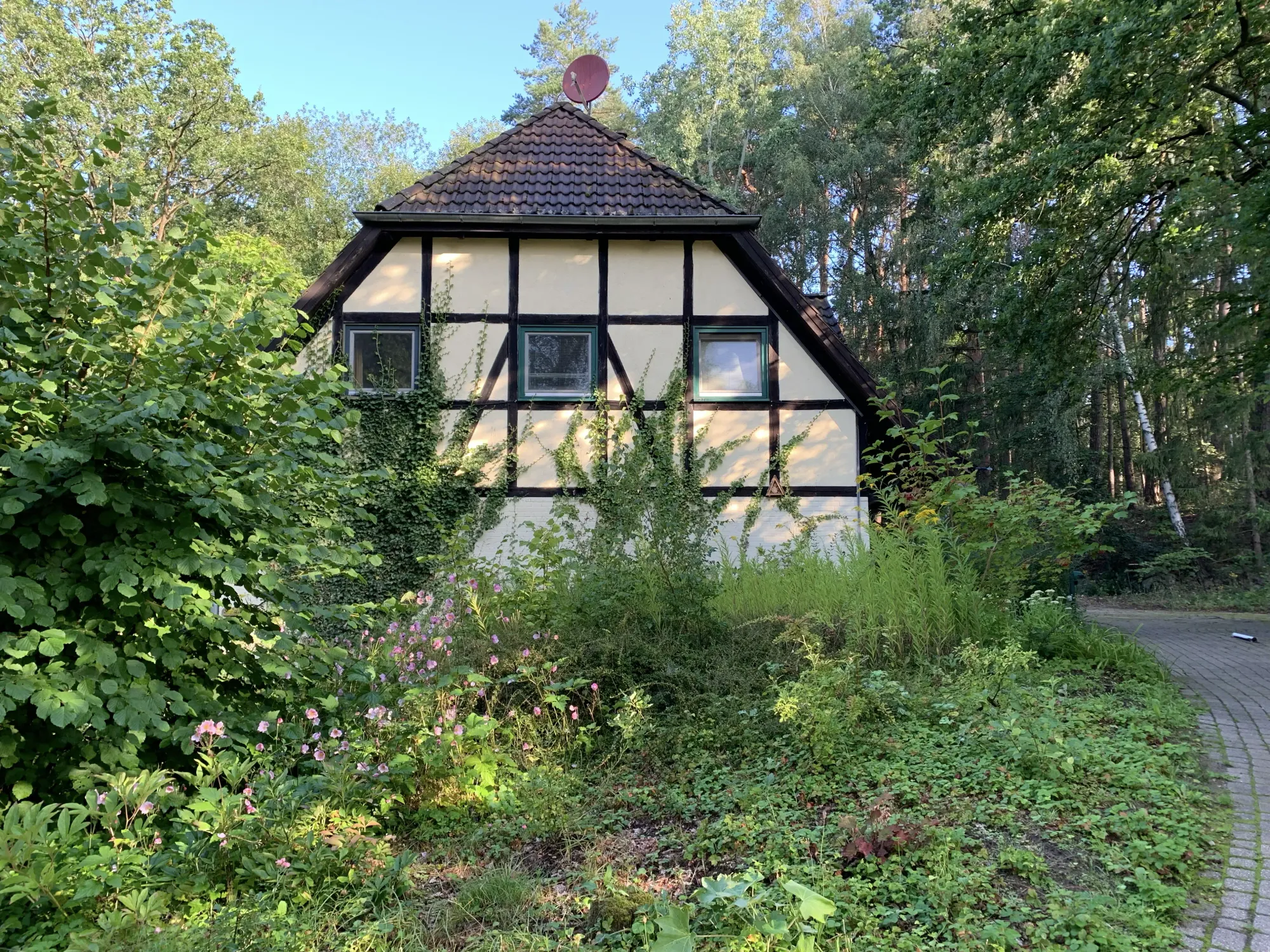
Across from our office there was an Italian restaurant where we went for pizza sometimes. The pizzas were very tasty and huge, and it was the only place that sold half a pizza. At lunch I saw people in suits eating there, and right at the next table people from the construction site nearby in their work clothes eating the same pizza. Nobody looked at the other table and nobody thought it was worth noticing except me. That is the part that stayed with me. It was completely normal, and it was normal because a man who spent his morning on a building site can afford an Italian lunch and eat it like everyone else.
I noticed the same thing in the rich districts of Hamburg. You can walk into one and not feel like you don't belong, and the prices in the shops are not that different from anywhere else in the city. Sometimes they are exactly the same. The more I saw of that, the more I wanted to stay. I believe in social democracy, and this is a country that calls itself one and mostly behaves like it.
It didn't take long for me to move up at work. I didn't feel any discrimination, even though people say Germans prefer Germans when it comes to promotions. There were already a lot of people with a migration background at the top. When I ran as a candidate in the works council election, I got the most votes of anyone, even though there were many Germans running and only around 25% of the company were immigrants like me.
You see the same thing outside of companies. Cem Özdemir, whose parents came from Turkey, has been the prime minister of Baden-Württemberg since May. Sinan Selen, who was born in Istanbul, runs the office for the protection of the constitution.
Being in the works council gave me more contact with the C-level. Sometimes I found myself arguing with the CTO or the CEO, and later at a company party we would have a beer together and talk about something else. That is when I understood how flat the management is here. I saw the difference later when I worked for an American company, where they made sure you knew you were lower on the ladder.
I met hundreds of Germans at that company and they were always super friendly. I say this because years later I still see many of my old colleagues at different events, and most of my friends today are people I used to work with. A lot of immigrants complain that it is hard to become friends with Germans, but that wasn't my experience.
My landing was soft
I should be honest about one thing here. I landed softly. I came into a big international company where everyone spoke English, in a city like Hamburg, with a salary that let me pick where I live. I have worked with other German companies since then, mostly smaller ones, so what I write here is not only about that one place. But the start was much easier for me than it is for most people. A lot of them arrive with none of that, and the country they meet is not the same one I met. Everything I write here is my experience, not a report on how it works for everyone.
The language is part of that. Every story I told above happened in English. The team, the flatmate, the works council, the arguments with the CEO, all of it. Once I decided I was going to stay here for a long time, I started taking German classes, and after the citizenship law changed I put much more effort into it. So the German came from the decision to stay. It was not the thing that made me stay.
I never really tried to integrate. It just happened that the way I think about life turned out to be similar to how people here think.
Why I like the rules
Most people complain about the rules in Germany, but I like them. It means someone, or a group of people, sat down and thought about that specific thing and decided on a standard for everyone. When you have to do something, you don't feel lost, because you can just look it up. You don't have to find someone who knows.
Rules also make normal days easier. Something simple like waiting at a red light even when there are no cars takes away the work of deciding whether to cross. And if everyone does it, you don't have to worry about someone suddenly stepping into the street. Or the fire safety rule that makes exit doors in public buildings open outwards. You never have to think about pull or push.
There are also unwritten rules, like being on time. For me the logical thing has always been to aim for 15 minutes before the agreed time, so if something happens on the way I'm still fine. After going on dates with a lot of Germans, I realised they do the same thing. So instead of me arriving early and waiting 15 minutes, we just meet 15 minutes earlier.
My favourite one is Ruhezeit, the quiet time between 10PM and 6AM, plus Sundays and public holidays. My sleep is very important to me and I'm a light sleeper, so this rule really helps me. Sometimes I had neighbours who had parties during those hours, and I didn't hesitate to complain (with Lärmprotokoll) to my landlord. Many Germans have told me I'm more German than many Germans. It is probably because of examples like this one.
The one time a rule was pointed at me instead of working for me was my first application for permanent residence. I had just left my first company and I was between jobs, and that was enough to get it rejected. That was when I learned what a sustainable livelihood means to the German authorities. It doesn't mean the money you have in your account. It means a permanent contract with the probation time already behind you. I had savings and it didn't count for anything.
It was an emotional day. But after I calmed down I could see their logic. A bank balance can be gone in a year and a signed contract that already survived six months says something a number can't. It was the same system I like for every other reason, just this time I was on the wrong side of it.
Understanding the country
The longer I lived here, the more I saw myself spending the rest of my life here. That made me want to read about the country. I'm a heavy reader and I track every book, so here are the ones I read about Germany:
- German Men Sit Down To Pee & Other Insights Into German Culture
- Germany: Memories of a Nation
- The German Genius
- Kaput: The End of the German Miracle
- Man's Search for Meaning
- Blood and Iron: The Rise and Fall of the German Empire 1871 to 1918
- Why the Germans Do it Better: Notes from a Grown-Up Country
Apart from the books, I also watched a lot of documentaries, especially about the Nazi era.
Like most people, I didn't know that Germany wasn't one country until the 19th century. It was made of small kingdoms, city states and so on. That is why there are so many kinds of bread, beer and sausage, why some parts have different public holidays, different accents and even a different way of living.
The German Genius surprised me the most. It is about 1.000 pages about Germans who contributed to humanity in different fields, and I didn't know how many things in our daily life exist thanks to them. Some of them had to escape the country because of the Nazis and reached their full potential somewhere else, in countries like the US and the UK. The books also helped me understand how Germany built an educated middle class, how workers' rights and social reforms happened, and where the rule about no shopping on Sundays comes from.
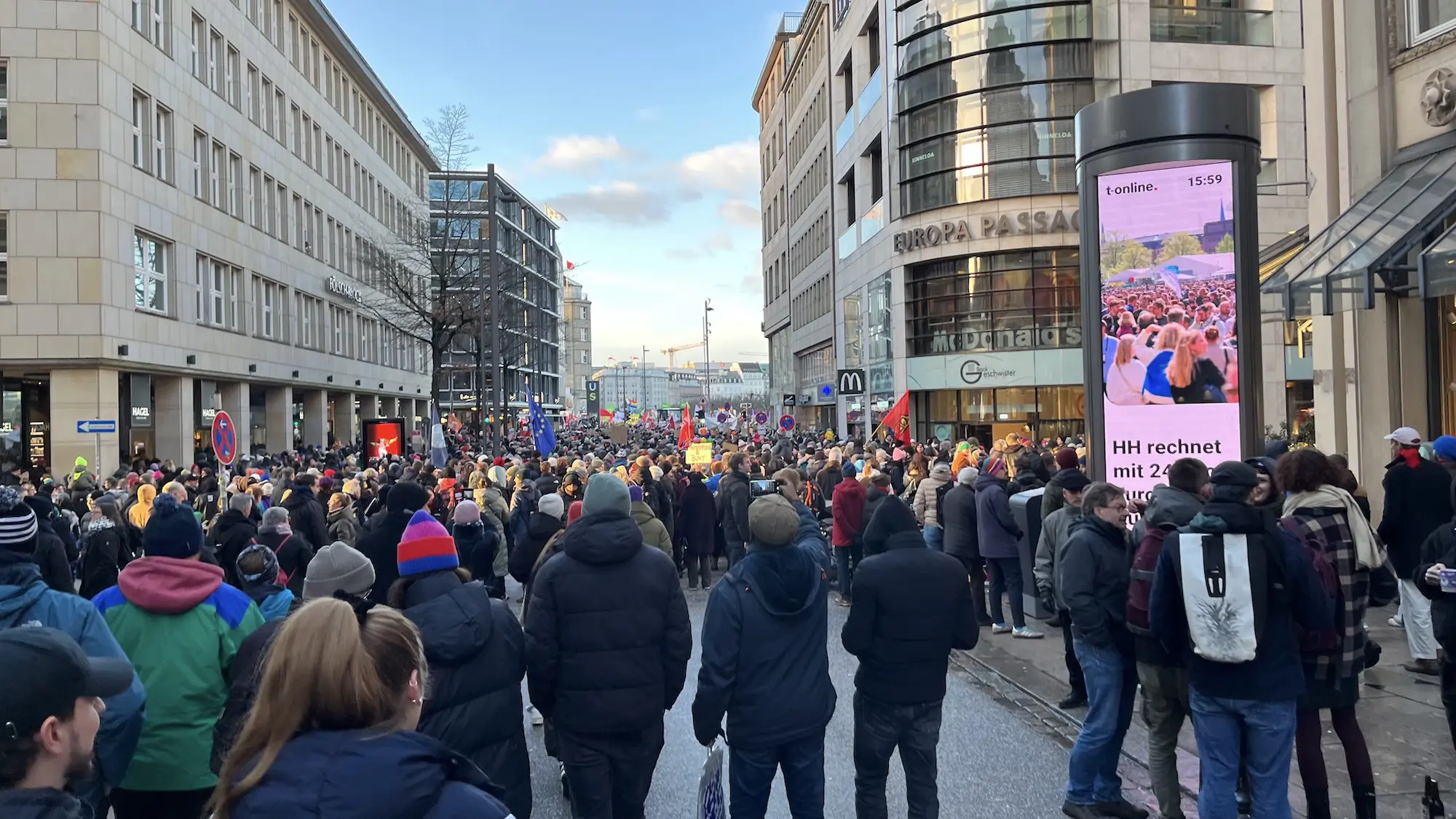
What stayed with me is that this is probably the only country in the western world that faced its own history properly, admitted the worst things it did, and built a lot of its identity around not repeating them. You feel that here in small ways, not only in museums. In January 2024, after it came out that far right politicians had talked about deporting people who already hold a German passport, 50.000 to 80.000 people filled the streets of my city in one afternoon.
In eight years I have not had a single case of racism. I know that isn't true for everyone, and I know the far right keeps growing.
I don't think most of those votes are about hating foreigners. Some people believe the story they get every day, that the country is broken and that immigrants are the problem. You find that story almost everywhere. The rest are angry that certain problems here have not been solved for years by the existing parties, so they look for an alternative.
For me, Germans are people who give trust before it is earned. People who are friendly without being fake about it. People who make sure everyone is included, down to what is on the table. People who care about someone they will never meet. People who know exactly what happened here and don't look away from it.
Making it official
That is why I decided to become one of them.
The chance came when the traffic light coalition, which I think was the most progressive government this country has had in decades, changed the citizenship rules and brought the waiting time down to five years. I was eligible, so I applied.
People seem to think a German passport is handed out easily now. It isn't. You have to prove you paid into the social system for at least five years. You have to pass the citizenship test. You need German at B1 level. You need a sustainable livelihood while your application is running. And most importantly, you have to accept the democratic values of this country.
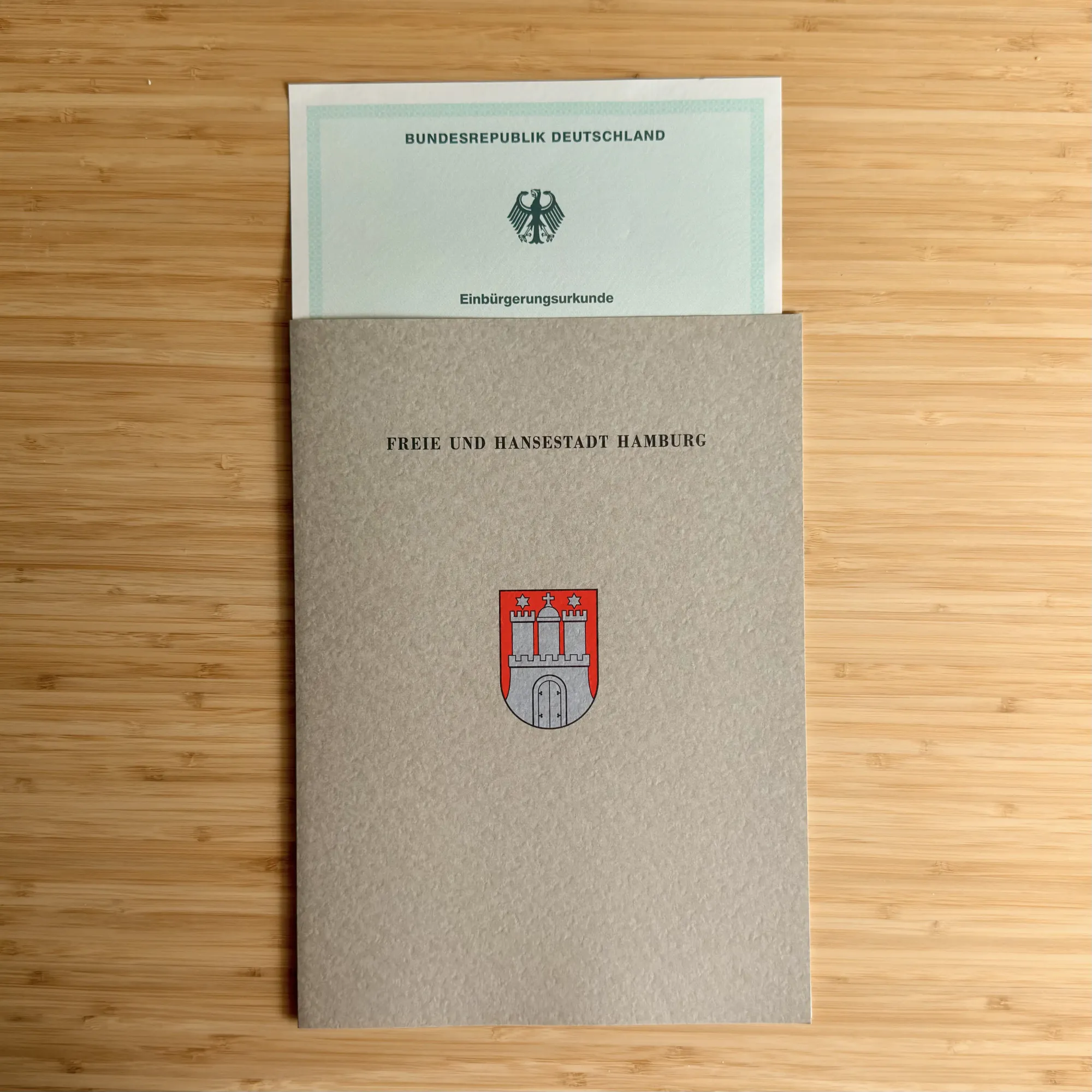
For me the process itself was smooth. I applied online by uploading a pile of PDFs. A week later I got a letter saying my application had arrived, with a few papers to sign, scan and upload back. Then the waiting started. In total it took around 14 months to get the email saying my application was successful and that I could come and collect my Einbürgerungsurkunde.
I picked it up this week, at an appointment that only took 15 minutes. I am German now.
I believe I have contributed something to this society in these eight years and I will keep doing it. And I will keep complaining about everything that needs to be better. Because that is what real Germans do.
No spam, no sharing to third party. Only you and me.
Member discussion