When I first encountered the internet and began spending hours online, the people I interacted with were mostly nerds in the best sense of the word. They had niche interests, deep curiosity, and a genuine willingness to help others who shared their passions. Technology felt like a playground for people who enjoyed building things for fun, learning obsessively, and solving problems simply because they could.
As time passed, consumer tech products began to take off. Personal computers, the iPod, and later the iPhone didn’t just change daily life, they accelerated the entire tech industry. More people became interested in technology, often inspired by the same principles that guided its early pioneers: building things out of curiosity and nerdiness, and only then figuring out how to make enough money to keep going.
Eventually, the people building these products (whether software or hardware) started making serious money. Not necessarily because they were creating proportionally more value, but because their products reached a massive, non-technical audience. A small group of company owners suddenly found themselves extremely wealthy. With the rise of social media, they began to showcase their lifestyles: luxury homes, exotic travel, expensive hobbies. For people outside the industry, this was eye-opening. Tech no longer looked like a space for curious nerds, it looked like a fast track to wealth and status. This shift is something I’ve watched from the inside, not as an outsider looking for villains.
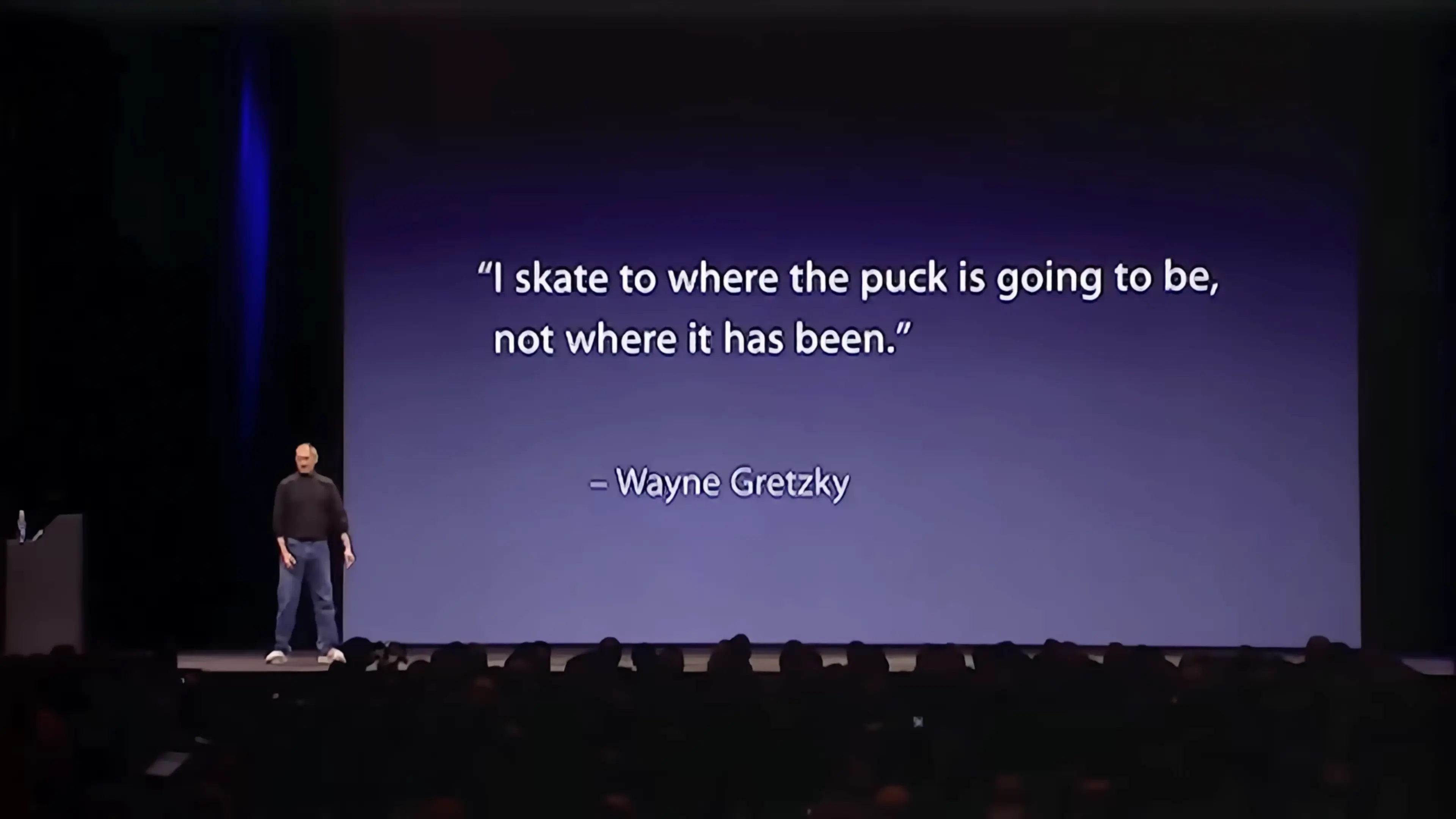
This realisation triggered a new wave of people entering the tech industry. Unfortunately, many of them lacked the curiosity and enthusiasm of the early builders. They weren’t interested in technology for its own sake or in improving people’s lives. They were primarily interested in money, rather than in the technology itself. This was the breaking point for me. I increasingly encountered people who spoke confidently about technical topics without understanding even the fundamentals. They acted as if they were “changing the world,” imitating figures like Steve Jobs, but without the substance behind the performance. It became easy to identify them. Around that time, the term tech bro emerged to describe this new archetype: confident, performative, and often detached from any real technical depth.
Meanwhile, the early entrants to the industry became unimaginably rich. Figures like Sergey Brin, Elon Musk, Mark Zuckerberg, Jeff Bezos, and Bill Gates reached levels of wealth that are difficult for ordinary people to comprehend. Like many early builders, they started as nerds but extreme wealth eventually translated into unchecked power. Elon Musk was perhaps the first to fully realize this. Instead of limiting himself to technical subjects like rockets or electric cars, he began publicly weighing in on social and political issues.
He was clearly under the brain-rotting drug (“Their financial success all too often convinces them that they’re uniquely brilliant, able to instantly master any subject, without any need to consult people who have actually worked hard to understand the issues.”), but neither the public nor the new wave of tech workers recognized it. Instead, they elevated him to a messianic figure. Much of what he said was treated as unquestionable truth by his followers. Once other tech leaders saw Musk’s influence and loyal following, they followed the same path. This wasn’t just about personalities. Venture capital incentives, social media amplification, and winner-take-all markets rewarded loud confidence over competence, and provocation over substance. Ideas they once avoided expressing became central to their public personas. They moved beyond their campuses, directly engaging with governments and political discourse.
At the same time, their personal lives took darker turns. Many divorced the partners who had supported them early on. Some publicly pursued much younger partners; others were accused of harassing female employees, and in a few cases, far worse behavior later came to light. The motivation of the new tech elite shifted from building things, to making money, to exerting influence, to indulging every excess made possible by power and wealth.
We went from criticising Steve Jobs for rejecting his daughter to celebrating Elon Musk’s ever-growing number of children. Today, opening social media often means seeing startup and mid-sized tech CEOs and executives eagerly praising, defending, or desperately seeking the attention of Elon Musk. It has become very difficult to work in tech without encountering leadership that is openly racist, sexist, or aligned with white supremacist ideas.
At some point, the industry stopped being nerdy, curious, and hopeful and became something deeply disgusting. It didn’t rot by accident. It rotted because we rewarded the wrong things and continue to do so.